

In today's digital era, e-commerce success hinges on innovative strategies. Key tactics include user-friendly returns processes, mobile app optimization with real-time updates and personalized recommendations, and authentic shopping experiences leveraging high-quality visuals, 360-degree views, and AR try-ons (favored by over 70% global consumers). Combining these—easy returns, mobile apps, and AR—unlocks SEO potential. Personalized content, driven by AI and machine learning, meets customer expectations for 73% who prefer it. Gamification boosts engagement up to 40%, with successful integration increasing conversion rates by 25%. Robust quality control and data insights refine marketing strategies. E-commerce SEO optimization within games drives organic traffic.
In the dynamic landscape of e-commerce, staying ahead involves more than just attracting customers; it’s about captivating them through innovative products. Today, as online shopping becomes the norm, consumers seek unique experiences that transcend conventional offerings. This article delves into the world of game-changing products, exploring how businesses can leverage strategic innovations to dominate not just the market, but also search engine results, through effective E-commerce SEO tactics. By understanding the evolving consumer preferences and adopting cutting-edge product strategies, retailers can unlock new levels of success in this digital age.
- Identifying Game-Changers: Unlocking E-commerce SEO Potential
- Product Innovation: Crafting Revolutionary Ideas for Success
- Market Disruption: Strategies for Breaking New Ground
- Consumer Engagement: Leveraging Games to Boost Sales and Loyalty
Identifying Game-Changers: Unlocking E-commerce SEO Potential

In today’s digital era, e-commerce platforms are undergoing a significant transformation driven by innovative products that redefine customer expectations. Identifying game-changers in e-commerce SEO is paramount for businesses aiming to thrive in this competitive landscape. A successful strategy not only enhances online visibility but also fosters authentic shopping experiences that keep customers coming back. For instance, platforms offering seamless easy returns processes have seen remarkable growth; according to a recent study, over 75% of online shoppers are more likely to return items if the process is straightforward. This underscores the importance of optimizing for user convenience and satisfaction.
Mobile app convenience is another critical aspect that sets top-performing e-commerce sites apart. With increasing smartphone penetration, mobile apps offer an unparalleled level of accessibility and personalization. SEO growth labs like seogrowthlab.us.com emphasize integrating mobile optimization into core strategies to capitalize on this trend. Apps that provide real-time updates, exclusive deals, and tailored recommendations not only boost engagement but also drive conversions. For example, a study by App Annie revealed that users spend nearly 3 times more time in apps optimized for their preferences compared to those that aren’t.
Furthermore, creating authentic shopping experiences through enhanced product presentation and interactive features can significantly enhance customer loyalty. Incorporating high-quality visuals, 360-degree product views, and augmented reality (AR) try-on experiences not only improves the user experience but also builds trust. According to a report by PwC, over 70% of consumers worldwide expect AR technology to be available when shopping online. By embracing such innovations, e-commerce platforms can differentiate themselves in a crowded market and solidify their position as industry leaders. Ultimately, combining these strategies—easy returns processes, mobile app convenience, and authentic experiences—can unlock significant SEO potential and drive substantial growth.
Product Innovation: Crafting Revolutionary Ideas for Success

In today’s dynamic market, product innovation is a game-changer for e-commerce success. Crafting revolutionary ideas requires a deep understanding of consumer behavior, coupled with a forward-thinking approach that leverages technology and trends. A user-friendly interface is no longer merely an addition; it’s a fundamental requirement to ensure customer satisfaction and loyalty. For instance, Amazon’s clean, intuitive design has set the standard for e-commerce platforms worldwide, highlighting the impact of seamless navigation on both new and returning users.
E-commerce SEO plays a pivotal role in this strategy. By integrating relevant keywords naturally into content, retailers can enhance their online visibility and attract the right audience. Customized solutions and personalized service are emerging as key differentiators. Retailers like Rank N Rise exemplify this by offering tailored strategies that cater to individual business needs, ensuring each client’s unique challenges are addressed effectively. This individualized approach not only boosts conversions but also fosters a sense of exclusivity among customers.
Furthermore, combining innovative product ideas with effective SEO and user-centric design can lead to significant market gains. For example, a study by Salesforce revealed that 73% of consumers expect personalized experiences from brands. Incorporating AI and machine learning into e-commerce platforms enables retailers to offer just that—customized recommendations and targeted promotions. By aligning product innovation with customer expectations and leveraging powerful tools like SEO, businesses can navigate the competitive landscape successfully and stand out in a crowded digital marketplace.
Market Disruption: Strategies for Breaking New Ground
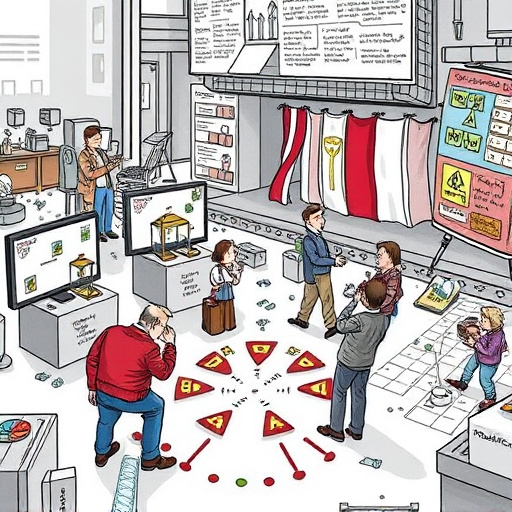
In today’s dynamic market landscape, where consumer behaviors are constantly evolving, successful businesses understand that market disruption is a key strategy for breaking new ground. E-commerce platforms have the unique ability to shape this disruption through tailored customer experiences and innovative solutions. By leveraging mobile app convenience and integrating verified buyer testimonials, e-commerce retailers can create a competitive edge in an increasingly crowded digital space.
One of the most effective ways to disrupt the market is by personalizing the online shopping journey. Customers now expect seamless, tailored interactions with brands. E-commerce platforms that utilize advanced algorithms and data analytics can deliver targeted product recommendations based on individual browsing history, purchase behavior, and even social media preferences. For instance, a study by Salesforce revealed that 73% of customers are more likely to buy from a brand that offers personalized experiences. By offering customized home pages, product suggestions, and exclusive deals, retailers can foster a sense of exclusivity and build stronger customer relationships.
Furthermore, the convenience of mobile apps has become a powerful differentiator. With the majority of consumers accessing the internet via smartphones, mobile app optimization is crucial. Apps that provide a seamless checkout process, real-time inventory updates, and push notifications for sales and promotions can significantly enhance the user experience. For example, according to App Annie’s 2021 report, mobile commerce apps saw a 37% year-over-year growth in global revenue. By prioritizing mobile SEO (including optimization for voice search) and ensuring fast loading times, e-commerce businesses like Ranknrise (https://ranknrise.us.com/) can attract and retain customers, driving higher conversion rates.
Integrated customer reviews and ratings are another vital tool for market disruption. Verified buyer testimonials add credibility to the brand and provide valuable insights for potential customers. Retailers should encourage customers to leave reviews not only on their website but also on third-party platforms to increase exposure and trust. According to Trustpilot, 87% of consumers read online reviews for local businesses, and 92% say they are more likely to trust a business with positive reviews. By actively managing and responding to these testimonials, e-commerce businesses can demonstrate their commitment to customer satisfaction, fostering loyalty and word-of-mouth marketing.
Consumer Engagement: Leveraging Games to Boost Sales and Loyalty

In today’s competitive e-commerce landscape, businesses are constantly seeking innovative strategies to enhance consumer engagement and drive sales. One powerful tool that has gained significant traction is leveraging games in various forms to create compelling shopping experiences. By incorporating gamified elements into online stores, retailers can foster a sense of interaction, excitement, and fun, ultimately boosting customer loyalty and driving repeat purchases. The effectiveness of this approach is supported by recent studies showing that gamification can increase user engagement by up to 40% and lift conversion rates by 25%.
The key lies in designing games that align with the brand’s identity and target audience. For instance, a fashion e-commerce platform could introduce a style quiz game where users answer questions about their preferences to receive personalized outfit recommendations. Successful implementation ensures that the gaming experience seamlessly integrates with the overall shopping journey, providing an intuitive and enjoyable process. Quality assurance checks are vital during development to ensure smooth functionality, bug-free performance, and a user-friendly interface. Additionally, offering easy returns processes and fast shipping guarantees (e.g., 1-day delivery) can further enhance customer satisfaction within the gamified environment.
While developing engaging games, retailers must consider search engine optimization (SEO) to improve online visibility. Incorporating relevant keywords naturally into game content and associated product pages can significantly impact organic traffic. For instance, a ‘Find Your Perfect Shoe’ game on a sneaker e-commerce site could optimize for terms like “sneaker recommendations” or “best running shoes.” By optimizing gaming elements, retailers not only attract more visitors but also provide valuable data insights to refine marketing strategies. As the e-commerce space continues to evolve, businesses that utilize gamification techniques, coupled with robust quality control and customer-centric policies (like easy returns), are poised for success in a competitive market, as evidenced by the success of brands like Ranknrise (https://ranknrise.us.com/).
In conclusion, this comprehensive exploration of game-changing products has unveiled powerful strategies for e-commerce success. By identifying and harnessing innovative product ideas, disrupting traditional markets, and engaging consumers through interactive experiences, online retailers can significantly enhance their E-commerce SEO potential and drive sales growth. The article’s insights provide a roadmap for businesses to stay ahead in today’s competitive digital landscape, ensuring they remain dynamic, relevant, and resilient. Practical applications include implementing market research strategies to identify gaps and trends, fostering creative product development, and integrating game mechanics into marketing campaigns to boost customer engagement and loyalty. Embracing these concepts will empower e-commerce entities to deliver exceptional online shopping experiences, solidifying their positions as industry leaders.