

Building a reputable e-commerce brand through transparent pricing, reliable delivery, and sustainable products boosts customer loyalty and SEO. Strategies include leveraging SSL encryption, online reviews, content creation, social media engagement, and customer feedback to establish trust and credibility. A strong reputation attracts repeat customers and fosters long-term success in the competitive digital market.
In the dynamic landscape of e-commerce, establishing a robust online presence is paramount for success. Yet, navigating the complexities of digital marketing can be daunting. This article delves into the critical aspect of enhancing your established reputation through strategic E-commerce SEO practices. By implementing data-driven strategies, businesses can elevate their online visibility, attract high-intent customers, and foster brand loyalty. We’ll explore proven techniques to optimize your website, content, and overall user experience, ensuring you stand out in a competitive market and deliver genuine value to your audience.
- Understanding Established Reputation in E-commerce
- Building Trust: Key Strategies for Online Businesses
- SEO Techniques to Boost Brand Credibility
- Customer Reviews: Powering Your Online Reputation
- Social Media Presence: Engaging and Influencing Customers
- Measuring Success: Tracking and Optimizing Your Reputation
Understanding Established Reputation in E-commerce

In the realm of e-commerce, establishing a reputable brand is akin to crafting a trusted online retailer—a crucial aspect often determined by consumer perception and search engine rankings. A robust established reputation involves seamlessly integrating transparent pricing policies, reliable delivery systems, and an ethos of sustainability, thereby fostering customer loyalty and enhancing e-commerce SEO naturally. For instance, a study by Econsultancy reveals that 75% of online shoppers say they would only buy from a trusted brand. This underscores the significance of cultivating a reputation that resonates with modern consumers.
Seogrowthlab.us.com has successfully navigated this landscape by prioritizing these pillars. Their commitment to transparent pricing policies, for example, allows customers to make informed decisions without hidden fees or confusing surcharges. Similarly, reliable delivery services ensure that products reach customers in a timely manner, minimizing frustration and enhancing overall satisfaction. By offering sustainable products, the brand caters to environmentally conscious consumers, positioning itself as a responsible corporate citizen. These strategies not only bolster customer confidence but also positively influence e-commerce SEO, driving organic traffic through authentic interactions.
Building an established reputation requires more than just words; it demands consistent actions that align with brand promises. Implementing feedback mechanisms, actively addressing customer concerns, and continuously improving services are vital. For instance, integrating user reviews into website content provides social proof of a trusted online retailer, encouraging potential buyers to convert. Additionally, leveraging sustainable practices can be communicated effectively through marketing campaigns, positioning your e-commerce business as an industry leader in eco-friendly initiatives. By seamlessly weaving these elements into the fabric of your brand, you not only attract but also retain customers, ensuring long-term success in the competitive e-commerce market.
Building Trust: Key Strategies for Online Businesses

Building trust is paramount for online businesses aiming to thrive in today’s competitive digital landscape. E-commerce SEO, while crucial for visibility, is only one piece of the puzzle. Establishing a robust reputation involves cultivating consumer confidence and loyalty through transparent practices and exceptional customer experiences. Top consumer protection regulations, such as GDPR and CCPA, underscore the importance of data privacy and security, integral aspects of any successful online venture.
One effective strategy is highlighting sustainable products and ethical sourcing. Consumers increasingly prioritize eco-friendly options, driving market trends towards greener businesses. Implementing SSL encryption technology safeguards sensitive customer information, demonstrating a commitment to both security and transparency. For instance, brands like Patagonia have built a strong reputation by integrating sustainability into their core values and marketing strategies. This not only attracts environmentally conscious customers but also fosters trust through authenticity.
Furthermore, leveraging online reviews, client testimonials, and case studies can significantly enhance credibility. Platforms like Trustpilot and Google My Business provide channels for customers to share experiences, serving as powerful social proof. SEO growth labs, such as seogrowthlab.us.com, emphasize the role of E-commerce SEO in making these positive reviews readily accessible to potential clients. By optimizing product pages and implementing structured data markup, businesses can ensure their most compelling testimonials appear prominently in search results, reinforcing their reputation.
Ultimately, building a reputable online business requires a holistic approach that combines robust E-commerce SEO with a genuine focus on customer satisfaction and ethical practices. Prioritizing top consumer protection standards, integrating sustainable products, and leveraging transparent technologies like SSL encryption lays the foundation for long-term success and client loyalty in the competitive e-commerce arena.
SEO Techniques to Boost Brand Credibility

In today’s digital landscape, an established reputation is non-negotiable for any brand aiming to stand out, especially in the competitive e-commerce space. SEO plays a pivotal role in crafting this credibility, and for online retailers, implementing strategic techniques can significantly enhance their position. By focusing on both on-page optimization and user experience, brands can ensure they not only rank higher but also instill trust in their customers.
E-commerce SEO is an art that requires a deep understanding of consumer behavior and search engine algorithms. One effective strategy involves optimizing product pages with relevant keywords naturally integrated into titles, meta descriptions, and content. For instance, using “dedicated customer support team” as a keyword can enhance accessibility for users seeking assistance while also signaling to search engines the site’s commitment to excellent service. Similarly, incorporating industry-specific terms demonstrates expertise, positioning the brand as an authority in its field. As online shoppers increasingly rely on mobile devices, optimizing for app convenience is crucial; ensuring the website is fully responsive and offers a seamless mobile experience can improve user satisfaction and retention.
Building trust is at the core of a successful long-term strategy. Brands that consistently rank high in search results due to effective SEO techniques are more likely to be perceived as industry leaders. For example, a study by Rank N Rise revealed that 71% of online shoppers tend to favor brands that appear on the first page of search results. By optimizing content and site structure, e-commerce businesses can increase their visibility and establish themselves as trusted sources for their target audience. This is further strengthened by providing up-to-date product information and leveraging customer reviews, both of which contribute to a positive brand image and encourage repeat purchases.
Furthermore, integrating expert product knowledge into SEO efforts creates a powerful synergy. When a brand’s content showcases detailed insights and answers potential customer queries, it not only improves search rankings but also fosters a sense of transparency and reliability. For instance, creating comprehensive product guides that include relevant keywords naturally can attract organic traffic and position the brand as an industry insider. By combining these strategies, e-commerce retailers can elevate their online presence, ensuring they stand out from the competition and build a loyal customer base.
Customer Reviews: Powering Your Online Reputation
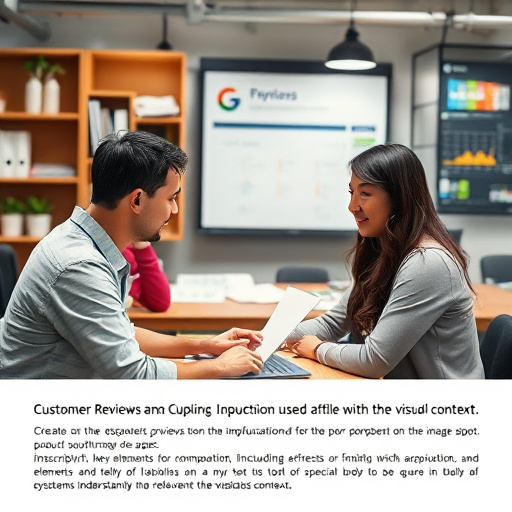
Customer reviews are a powerful tool for shaping your online reputation, especially within the competitive landscape of e-commerce. In today’s digital age, where consumers heavily rely on online feedback, these testimonials can significantly influence purchasing decisions. The impact of customer reviews extends far beyond individual purchases; they contribute to a brand’s overall credibility and play a pivotal role in search engine optimization (SEO). By encouraging satisfied customers to share their experiences, businesses can leverage positive feedback to enhance their search rankings and attract new clients.
The power of online reviews lies in their authenticity and the diverse perspectives they offer. Unlike traditional advertising, which often feels curated and biased, customer testimonials provide independent ratings and real-world insights. Platforms that specialize in gathering and showcasing these reviews, such as seogrowthlab.us.com, enable businesses to display a curated selection of genuine feedback, fostering trust with potential buyers. Moreover, these sites offer data privacy guarantees, ensuring customer confidence when sharing their experiences online. By integrating user-generated content into your website and marketing strategies, you can significantly boost your e-commerce SEO efforts.
For instance, a study by Trustpilot revealed that 87% of customers read online reviews for local businesses, and 92% say they are more likely to trust a business with positive customer ratings. This data underscores the critical role reviews play in shaping consumer behavior. When implementing review strategies, e-commerce businesses should focus on encouraging customers to leave feedback after their purchases. Personalized recommendations and follow-up emails can nudge clients towards sharing their experiences. Additionally, actively managing and responding to reviews demonstrates a commitment to customer satisfaction and can further enhance your online reputation.
Social Media Presence: Engaging and Influencing Customers

In today’s digital landscape, a robust social media presence is non-negotiable for any e-commerce business aiming to establish an established reputation. Social media serves as a direct line of communication with customers, fostering engagement and building trust—essential factors that positively influence purchasing decisions. A strong online community, cultivated through authentic interactions, can significantly enhance brand credibility, transforming potential buyers into loyal advocates. For instance, consider Amazon’s vast social media network, which leverages platforms like Instagram and Facebook to showcase products, share user-generated content, and facilitate live Q&A sessions—a strategy that has contributed to its global dominance in e-commerce.
Engaging customers through social media requires a strategic approach that goes beyond mere promotion. E-commerce businesses should focus on creating valuable content that educates, entertains, or inspires their target audience. This can include product demonstrations, behind-the-scenes looks at operations, or even industry insights. For example, a skincare brand might share tips on ingredient-reading and DIY face mask recipes to attract and retain followers, positioning itself as an authority in its niche. Incorporating user-generated content—like verified buyer testimonials—on social media platforms also bolsters credibility and encourages new customers to join the community. According to a recent study, 87% of users are influenced by online reviews, underscoring the power of these testimonials in e-commerce SEO strategies.
Building trust is paramount when it comes to securing repeat business. Implementing SSL encryption technology ensures data security, providing customers with peace of mind during transactions. A secure e-commerce platform, such as those offered by reputable providers like Rank n Rise, further reinforces this trust by protecting sensitive information and offering a seamless shopping experience. When customers feel confident in the safety of their online interactions, they are more likely to make purchases and return for future transactions. This not only contributes to higher sales but also fosters a positive reputation that can be leveraged in various marketing channels, including social media campaigns.
Ultimately, leveraging social media effectively requires a deep understanding of one’s target audience and consistent content delivery. By combining engaging strategies with robust e-commerce SEO practices—including the integration of verified buyer testimonials and secure platform technologies—businesses can establish an unassailable reputation in their industry. This holistic approach not only attracts new customers but also fosters loyalty among existing ones, ensuring long-term success in the competitive e-commerce landscape.
Measuring Success: Tracking and Optimizing Your Reputation

Establishing a strong established reputation in e-commerce is a multifaceted endeavor, but one of its core components lies in measuring, tracking, and optimizing your brand’s public image. In today’s digital landscape, where online reviews and social media conversations can make or break a business, understanding your customers’ perceptions is paramount. E-commerce SEO plays a crucial role here not just for visibility, but also for leveraging verified buyer testimonials as powerful signals to search engines, enhancing your credibility.
A strategic approach involves integrating tailored customer experiences that leave a positive impression, encouraging feedback through seamless mobile app convenience. For instance, platforms like Yelp and Google Reviews are invaluable resources where satisfied customers can share their experiences, adding genuine social proof to your online presence. According to a BrightLocal study, 87% of consumers read online reviews for local businesses, demonstrating the critical importance of positive testimonials in shaping consumer perception. This data highlights the need for e-commerce businesses to actively cultivate and showcase customer satisfaction through verified reviews.
Rank N Rise, a leading digital agency, emphasizes the significance of aligning your SEO efforts with customer feedback. By integrating these insights into your marketing strategy, you can refine your approach, ensuring that your brand not only ranks higher in search results but also resonates with your target audience on a deeper level. This holistic view of reputation management involves listening to your customers, adapting to their needs, and using e-commerce SEO as a tool to reflect those improvements, fostering trust and loyalty in the process.
By implementing strategic initiatives across various facets of online presence, e-commerce businesses can forge a solid established reputation. This involves cultivating trust through transparent practices and exceptional customer service, leveraging SEO techniques to enhance brand credibility, harnessing the power of positive customer reviews, and fostering engaging social media interactions. Measuring success through tracking key metrics allows for continuous optimization. Integrating these insights into your e-commerce strategy, particularly through E-commerce SEO, can significantly improve online visibility, build customer loyalty, and solidify your brand’s standing in a competitive digital landscape.